Dehydration & Pantry Guides
The Science of Gentle Dehydration: Locking In Pure Flavor & Nutrients
Why controlled dehydration at low temperatures outclasses traditional high-heat baking and sun-drying in modern hygienic food preservation.
PK Foods Food Science Team26 Sept 20264 min read111 views
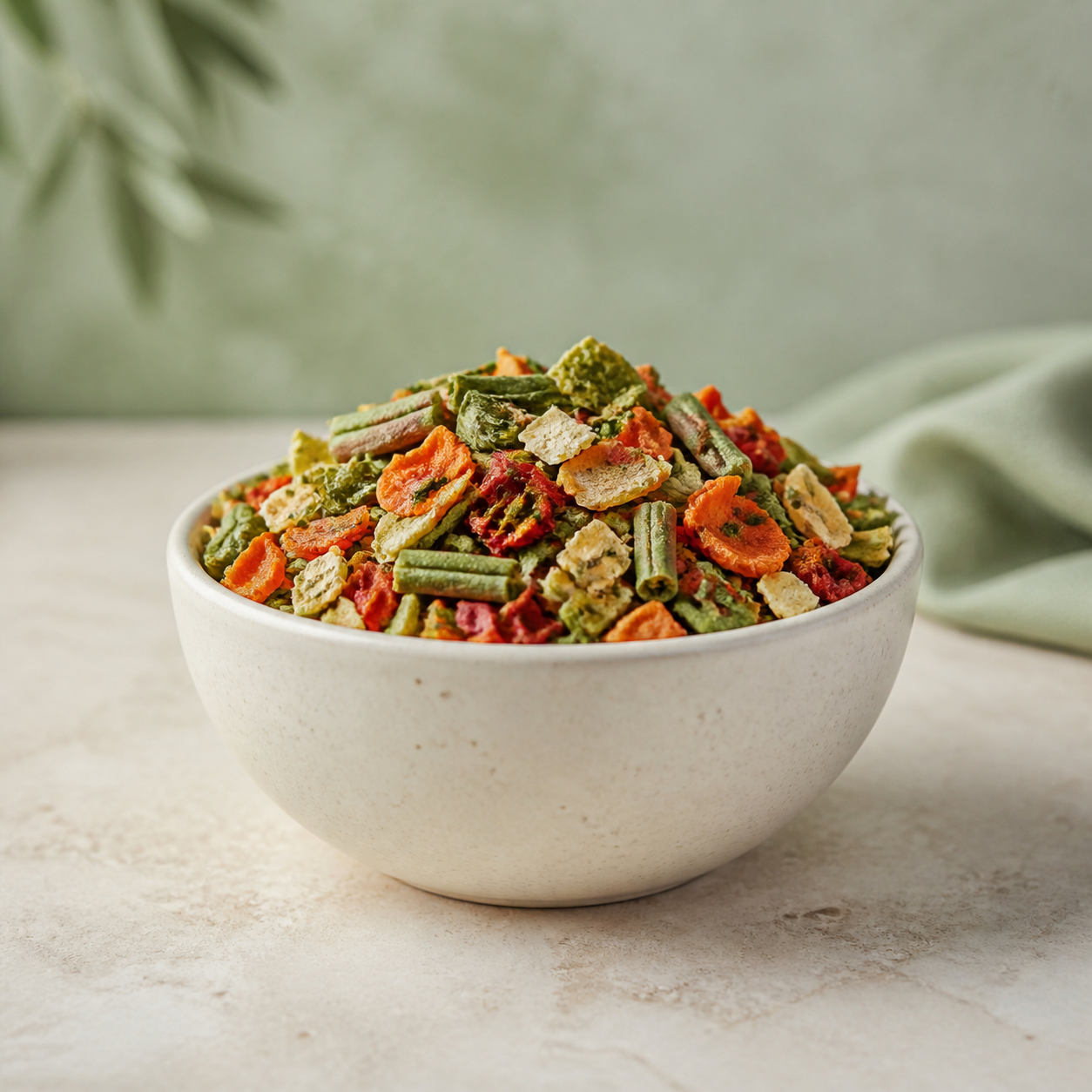
### What Happens During Food Dehydration?
Drying food is mankind's oldest and most reliable form of food preservation. However, not all drying methods are created equal.
Traditional open-air sun drying exposes delicate fruits to dust, airborne pathogens, unpredictable humidity, and direct solar ultraviolet rays that degrade light-sensitive vitamins such as Vitamin A, C, and Thiamine.
Conversely, commercial industrial ovens blast produce with intense heat (above 85°C), effectively cooking the fruit, caramelizing sugars prematurely, and destroying vital enzymes.
### The PK Foods Gentle Air-Flow Protocol
At PK Foods, preservation respects the ingredient:
- **Hygienic Enclosed Dehydration Chambers**: Produce never touches outdoor ambient air or contaminants.
- **Patience at Sub-45°C**: Low-temperature dehydrators circulate constant warm laminar air, gently drawing moisture out while leaving cellular fiber, natural enzymes, and vibrant colors intact.
- **Zero Added Sulfur or Preservatives**: Many commercial dried fruits use sulfur dioxide to artificially preserve brightness. We use zero chemicals—our color comes strictly from ripe, premium harvest produce.
### How to Store Dehydrated Produce in Pakistan
To keep your dehydrated fruits, herbs, and culinary powders fresh for up to 12 months:
1. Store pouches in a cool, dry pantry away from direct sunlight.
2. Seal the zip-lock tightly after each use to prevent atmospheric humidity from entering.
3. For long-term pantry storage, glass airtight mason jars work wonders!
Tags:#guide#dehydration#food safety#wellness#storage