Dehydration & Pantry Guides
What Is Kasuri Methi? How to Use Dried Fenugreek Leaves
Kasuri methi gives butter chicken, daal and parathas their unmistakable aroma. Learn what it is, how to crush it and where to add it.
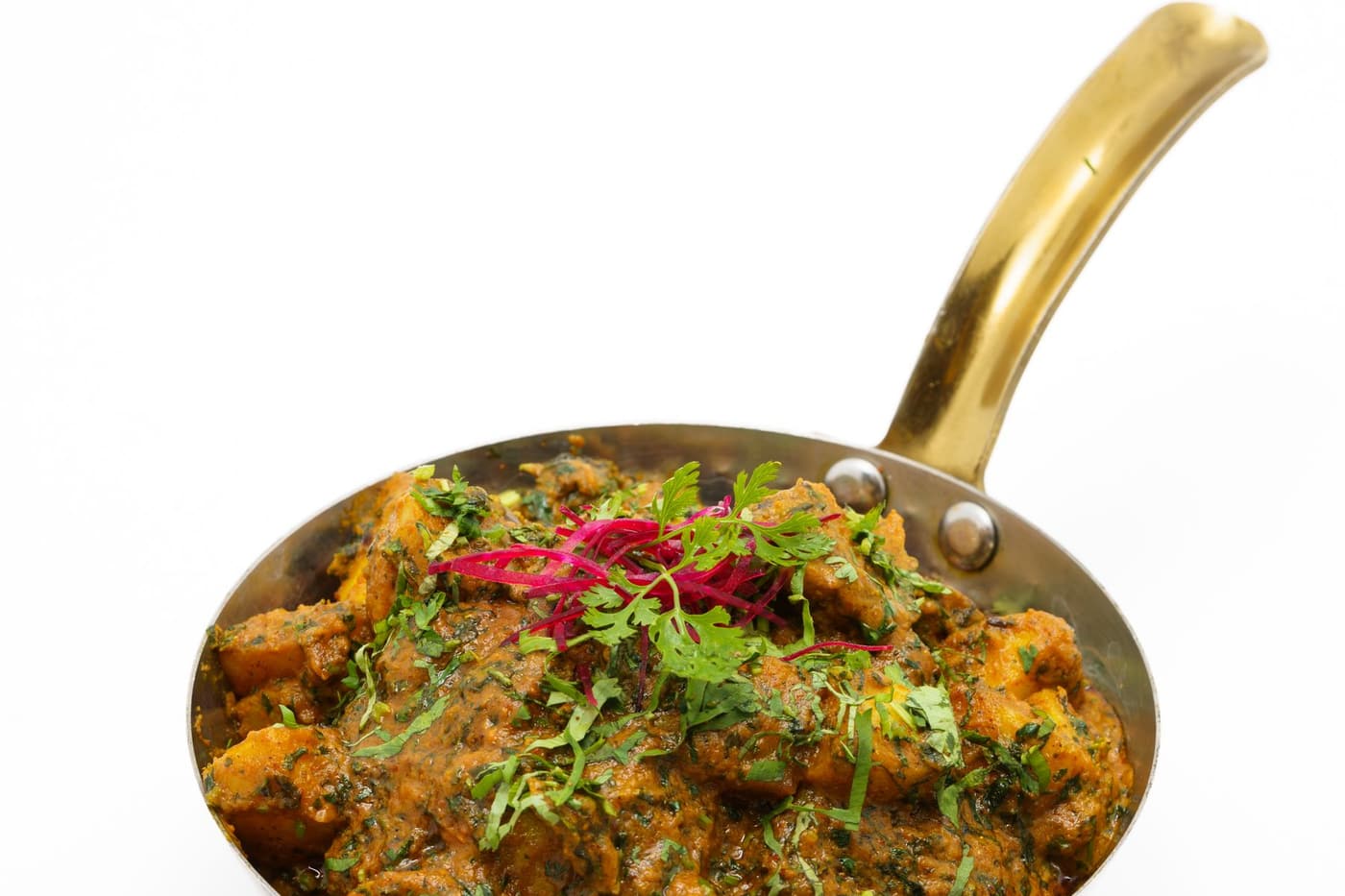
If a restaurant gravy has a savoury, slightly bitter, almost maple-like aroma that you cannot quite place, there is a good chance it contains kasuri methi. It is one of the most useful dried herbs in a Pakistani and North Indian kitchen.
What it is
Kasuri methi is dried fenugreek leaf. The name comes from Kasur in Punjab, a town long associated with this herb. Fresh fenugreek leaves (methi) are bitter and grassy, and drying changes their character. The dried leaves become more fragrant, with a warm, savoury smell that is hard to get any other way.
How to use it
The key is to add it near the end, because the aroma is delicate and fades with long cooking.
- Take a pinch of kasuri methi in your palm.
- Rub your hands together over the pot to crush the leaves. This wakes up the aroma.
- Stir it in during the last couple of minutes of cooking, or sprinkle it over the dish just before serving.
Where it works well
- Butter chicken and other creamy gravies: it is the classic finishing touch.
- Daal and lentils: stir some into a tadka, or crush it over the finished daal.
- Handi and karahi dishes: add it in the final stage with a little ginger.
- Parathas and rotis: knead a spoonful into the dough, with salt and a little oil.
- Vegetable dishes: potatoes, cauliflower and paneer all suit it well.
- Dips and yoghurt: a pinch mixed into raita or a spiced yoghurt gives a savoury note.
How much should you use?
Start small, about a teaspoon for a dish that serves four, and adjust to taste. Too much can turn a dish bitter.
Buying and storing
Look for leaves that are green and fragrant rather than dull and dusty. Store the pack sealed in a dry, dark place, close it firmly after each use, and use a dry spoon. Moisture and light weaken the aroma.